

As legal counsel to landlords and property managers across Texas, we at Manning and Meyers routinely handle eviction proceedings. The process for a standard apartment or single-family home rental is well-established. However, when it comes to manufactured-home communities, many landlords are surprised to learn that they are operating in a different legal landscape altogether. The standard three-day notice to vacate that works for a traditional apartment lease is not only insufficient — it’s incorrect, and relying on it will almost certainly lead to your eviction case being dismissed in court.
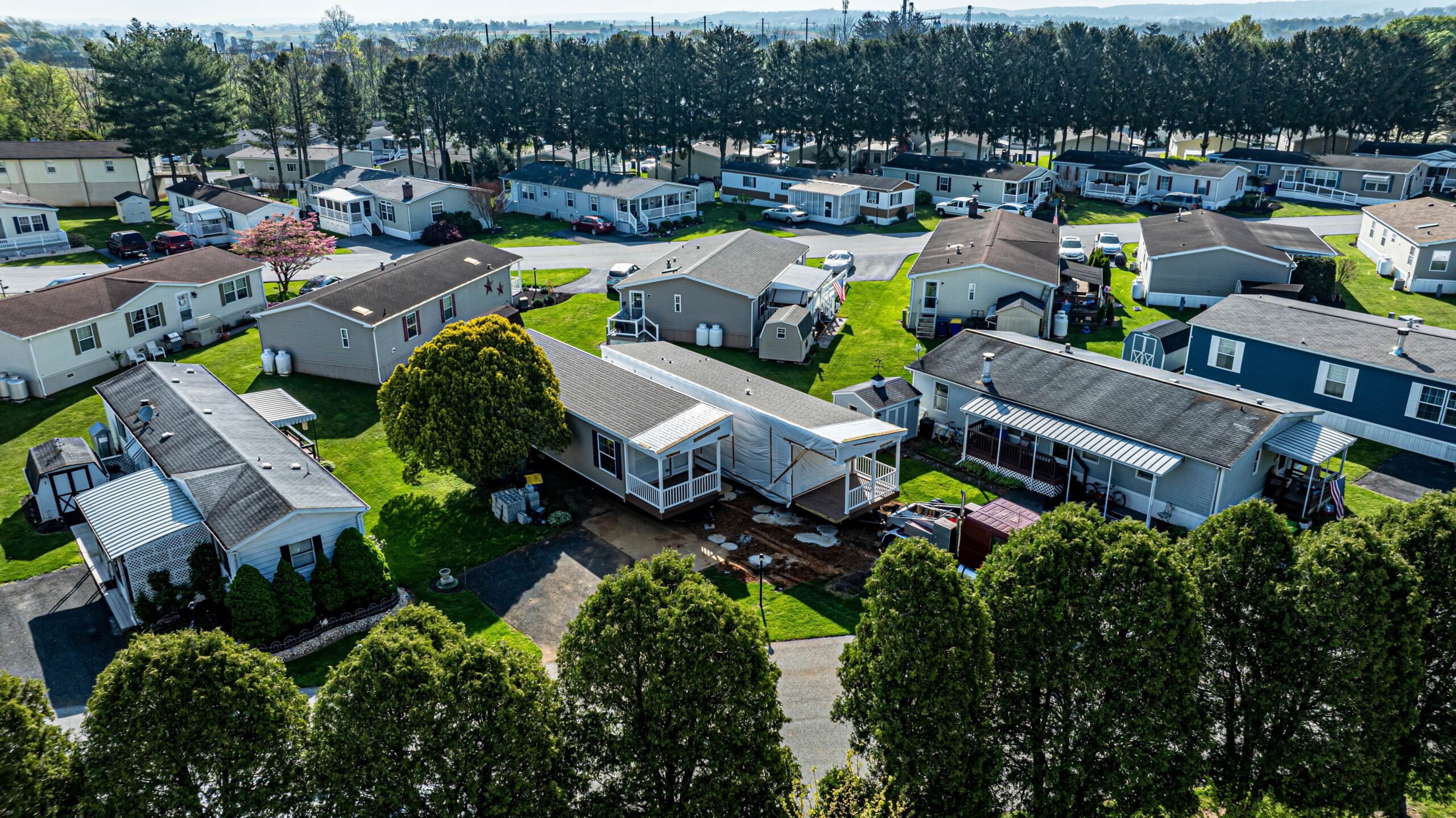
The landlord-tenant relationship in a manufactured-home community is unique. Unlike a typical residential lease where the landlord owns the structure and the land, in this scenario, the tenant owns their home and is leasing the lot upon which it sits. This significant investment by the tenant — the ownership of their actual dwelling — is the primary reason the Texas Legislature has afforded them special protections. The law recognizes that an eviction here has more severe consequences; it doesn’t just displace a tenant, it potentially separates them from their most valuable asset.
This is where Texas Property Code Chapter 94 comes into play. This chapter, which specifically governs manufactured-home tenancies, creates a distinct set of rules that landlords must follow to the letter. Failure to understand and adhere to these special provisions, particularly the extra notice requirements for manufactured-home communities and the tenant’s right to cure in mobile home parks, is the most common pitfall for community owners. In this guide, we will break down these critical requirements to help you navigate the mobile home eviction process in Texas correctly and effectively.
The Foundation | Understanding Texas Property Code Chapter 94
Before we can delve into the specific notice requirements, it’s essential to understand why this area of law is so different. Texas Property Code Chapter 94 was specifically enacted to address the unique landlord-tenant dynamic in manufactured-home parks.
The key distinction is that the landlord is a “lot” landlord, not a “house” landlord. The tenant has not only a leasehold interest in the property but also a significant personal property investment physically located on that property. Moving a manufactured home is an expensive and complex undertaking, costing thousands of dollars. In many cases, older homes cannot be moved at all without risking structural damage. This disparity in leverage—where a landlord could potentially force a tenant to abandon their home over a minor lease dispute—is what Chapter 94 aims to balance.
It provides tenants with more time to address lease violations and a clearer path to redemption to avoid the catastrophic outcome of losing their home. For landlords, this means the mobile home eviction process in Texas requires more patience, more precise documentation, and a deeper understanding of the law than any other type of eviction. Any landlord who owns or manages a manufactured-home community must treat Chapter 94 as their operational bible.
Extra Notice Requirements for Manufactured-Home Communities
The most immediate and critical difference under Chapter 94 is the notice period. In a standard residential eviction governed by Chapter 24 of the Property Code, a landlord can provide a three-day written notice to vacate for non-payment of rent. This is the timeline most landlords are familiar with. For manufactured-home tenancies, this is incorrect.
The Ten-Day Notice to Vacate
Texas Property Code Chapter 94 mandates that before a landlord can file an eviction suit (forcible detainer), they must first give the tenant a written notice to vacate. This notice must state that the tenant has at least 10 days to vacate the premises. This rule applies to most common lease violations, including:
- Non-payment of rent.
- Breach of a lease provision.
This 10-day period is a mandatory cooling-off and preparation period. It gives the tenant substantially more time than an apartment dweller to either prepare to move their home, arrange for its sale, or, more importantly, exercise their right to cure the default.
The notice itself must be clear and unambiguous. It should state the reason for the notice (e.g., the exact amount of rent owed or the specific lease clause that was violated), the 10-day deadline, and the landlord’s intent to file an eviction suit if the tenant does not vacate or cure the issue. These extra notice requirements for manufactured-home communities are a strict prerequisite. If you file an eviction suit without providing this specific 10-day notice, a Justice of the Peace will almost certainly dismiss your case, forcing you to start the entire process over.
Tenant’s Right to Cure in Mobile Home Parks
The extended notice period is only half of the equation. The other critical tenant protection under Texas Property Code Chapter 94 is the statutory right to cure in mobile home parks. This is a powerful right that does not exist in the same way in typical apartment leases.
“Curing” the default simply means fixing the problem. In the most common eviction scenario—non-payment of rent—the tenant has the absolute right to “cure” the breach by paying the full amount of delinquent rent, including any late fees specified in the lease, within the 10-day notice period.
How the Right to Cure Works
Let’s walk through a scenario:
- A tenant fails to pay rent on the 1st of the month.
- On the 5th of the month, the landlord properly delivers a written notice stating that the tenant owes a specific amount of rent and must vacate the premises within 10 days.
- The tenant now has until the 15th of the month to act.
- If, at any point on or before the 15th, the tenant tenders the full amount of rent owed plus any applicable late fees, the lease default is “cured.”
Once the default is cured, the landlord’s basis for eviction is eliminated. The lease is reinstated, and the landlord cannot proceed with the eviction. They must accept the payment. This right to cure in mobile home parks effectively gives every tenant a 10-day grace period, backed by law, to catch up on their payments and avoid losing their home. This is a recurring right; a tenant can exercise it any time they fall behind on rent.
Navigating the Mobile Home Eviction Process in Texas
Given these special requirements, landlords must follow a precise and methodical process. Any deviation can jeopardize your legal standing.
Step 1 | Draft a Compliant Written Lease
Your first line of defense is a strong, Chapter 94-compliant lease agreement. Your lease should clearly state the rent amount, due date, late fees, and all community rules and regulations. It should also reference the landlord’s right to terminate the lease in accordance with Texas Property Code Chapter 94.
Step 2 | Prepare and Deliver the Correct Notice
When a breach occurs, the first step is always the notice.
- For Non-Payment: Draft a notice that clearly states the amount of rent and late fees owed, informs the tenant they have 10 days to vacate, and also notifies them of their right to cure the breach by paying the full amount within that 10-day period.
- For Other Violations: If the breach is for something other than non-payment (e.g., an unauthorized pet, property damage), the notice must specify the breach and state that the tenant has 10 days to vacate. While there isn’t a monetary “cure” for non-financial breaches, this period allows the tenant to fix the issue (e.g., remove the pet) or negotiate with the landlord.
- Proper Delivery: The notice must be delivered according to the methods prescribed by law, which includes in-person delivery, certified mail, or posting on the inside of the main entry door of the home.
Step 3 | Wait for the Notice Period to Expire
This is where many landlords get impatient. You must wait for the full 10-day notice period to expire. If the tenant cures the default during this time, the process ends. If the tenant neither cures nor vacates, you can then proceed to the next step.
Step 4 | File the Forcible Detainer (Eviction) Suit
After the 10 days have passed, you can file a forcible detainer petition with the Justice of the Peace (JP) court in the precinct where the property is located. This officially begins the mobile home eviction process in Texas. You will present your evidence, including the lease and the 10-day notice you provided, to the court.
Step 5 | The Court Hearing and Writ of Possession
At the hearing, the judge will ask if you complied with all requirements of Texas Property Code Chapter 94. Assuming you have, and the tenant has no other defense, the court will likely grant you a judgment for possession. If the tenant still does not vacate, you will then need to request a Writ of Possession, which is a court order authorizing the constable to physically remove the tenant and their belongings from the lot.
Your Partner in Landlord-Tenant Law
The mobile home eviction process in Texas is intentionally designed to be more deliberate and tenant-protective than standard residential evictions. The law requires landlords to be meticulous, patient, and, above all, knowledgeable. The extra notice requirements for manufactured-home communities and the tenant’s powerful right to cure in mobile home parks are not mere suggestions, they’re strict legal mandates.
For community owners and managers, understanding and embracing the nuances of Texas Property Code Chapter 94 is the key to effective and lawful management. A rushed or incorrect process will only lead to delays, dismissed cases, and unnecessary legal expenses. By respecting the process and the unique rights afforded to these homeowners, you can enforce your lease terms while minimizing legal risk.
The unique rules governing manufactured-home communities can be complex. If you are a community owner or manager facing a difficult eviction or need to ensure your lease and notice procedures are compliant with Texas law, do not navigate it alone. Contact the experienced landlord-tenant attorneys at Manning and Meyers today for a consultation.
Frequently Asked Questions
Q. What is the most common mistake landlords make in the mobile home eviction process in Texas?
The most common and fatal mistake is providing the wrong notice. Many landlords new to manufactured-home communities use the standard three-day notice to vacate applicable to apartments. This is incorrect. Under Texas Property Code Chapter 94, you must provide at least a 10-day notice to vacate, and failing to do so will result in the dismissal of your eviction case.
Q. How is the ‘right to cure’ in mobile home parks different from a standard apartment lease?
The right to cure in mobile home parks is a statutory right guaranteed by Texas Property Code Chapter 94. It gives a tenant who has received a 10-day notice for non-payment the absolute right to stop the eviction by paying the full delinquent amount within that 10-day period. While an apartment landlord might choose to accept late rent, they are not legally required to do so after providing a notice to vacate; in a manufactured-home community, the landlord must accept the payment and cease the eviction if it’s tendered within the notice period.
Q. Do the extra notice requirements for manufactured-home communities apply if I am evicting for a reason other than non-payment of rent?
Yes. The requirement to provide at least a 10-day notice to vacate applies to most lease violations, not just non-payment of rent. Whether the issue is an unauthorized occupant, a violation of community rules, or property damage, you must still provide the tenant with the proper 10-day written notice before you can proceed with filing a forcible detainer suit.